
It’s 2026. Craft Whiskey Curation > Age Statements
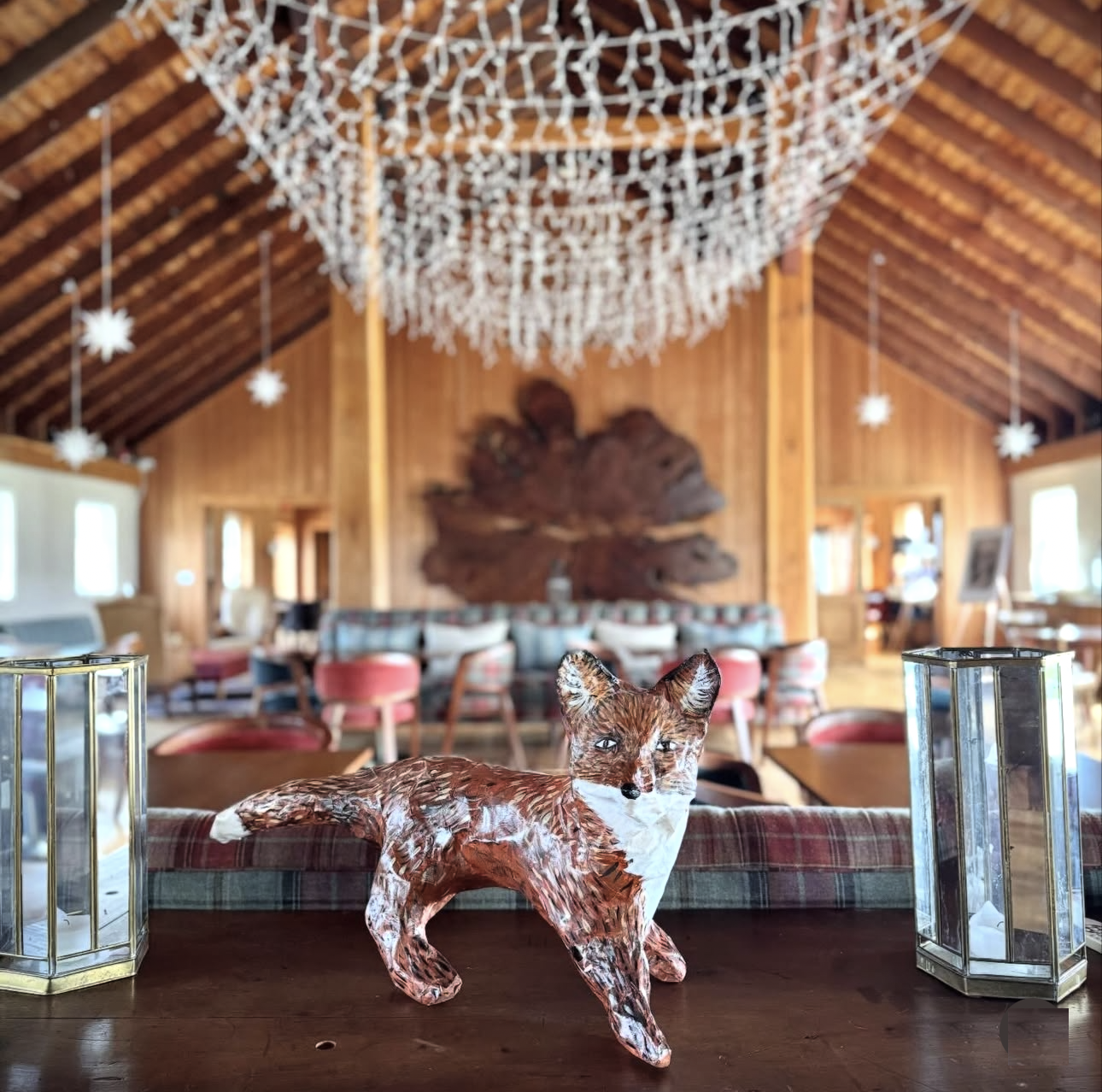
The tasting room at Tenmile Distillery in Wassaic, NY
I still run into guys here and there who think modern whiskey consumers make their purchasing decisions based on age statements. I understand why they think that. When you’re inside a generational bubble, it’s easy to assume everyone else operates the way you do.
The logic is based on simple math. The number on the bottle helps to decide what is and isn’t worth spending money on. If it’s older, it should be more valuable. If it’s younger, it should be cheaper. For years and years, that’s how value was determined, and for most of my career as a retail buyer I followed that same logic. Ten years ago, that unrelenting dogma is what made market penetration almost impossible for craft whiskey brands peddling 4-5 year old whiskies at 12 year old prices, but that was then.
As I type this, I’m fighting off the desire to segue into a larger conversation about the overproduction of whiskey and how it’s actually the larger distillers who are fucked right now, but that’s another article for another day. What I’d like to do is explain why I’d rather drink a bottle of 6 year old Tenmile single malt whiskey (known as Little Rest) than just about any 15+ year old Kentucky Bourbon, or 12 + year old Scotch, and happily pay more to do it.
It’s the same reasoning as to why I’m willing to pay 4x more for sourdough bread made by my local baker, or triple for a Chardonnay made in the Sta Rita Hills. Provenance matters to many people. As does romanticism. Careful curation is going to beat an age statement any day of the week in 2026 because today’s consumers of artisanal products don’t rely on numbers. They buy based on enthusiasm and emotion. There’s a mountain of data to back this up.
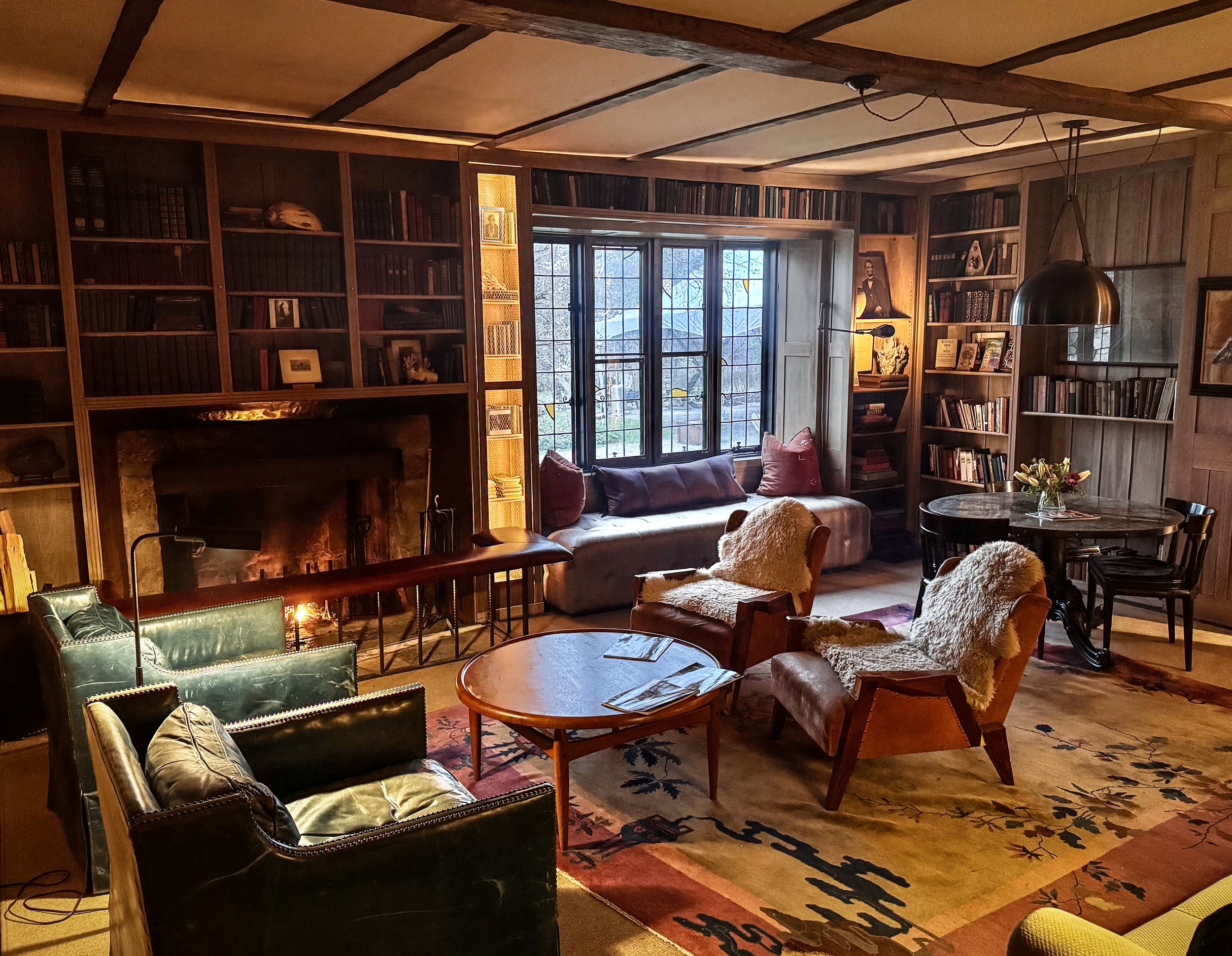
The living room at Troutbeck
I’ve been helping Joel Levagnia, one of the owners of Tenmile Distillery, distribute and sell Little Rest single malt whiskey in California for the better part of a year, but a few weeks ago I made my first trip out to the distillery in New York’s Hudson Valley. To be completely transparent, I went into the journey a fan of the whiskey, but somewhat skeptical of its ability to attract consumers at its price point. I left several days later with an entirely different mindset.
What I quickly realized is that Tenmile isn’t just peddling American single malt whiskey; it’s also encapsulating an entire upstate New York vibe that extends to the nearby Berkshires, which is basically a country chic aesthetic. Upon entering the lobby at the Troutbeck hotel just a few miles down the road, I got my first taste of the scene: everything around you is beckoning you to sit down with a book or a few friends, get comfy, pour yourself a glass of fine whiskey, and simply relax.
The distillery itself, gorgeously decorated by Joel’s wife Eliza, is an extension of this same visual ethos. It gives hunting lodge energy, but with just a touch of Martha Stewart, and a bit of whimsical kitsch sprinkled in for good measure. If you’re wondering what that has to do with you, living in some other part of the world, far away from all this bucolic splendor, that’s a fair question. I would argue, however, that it can have just as much impact on you as the rugged shores of Islay or the historic vineyards of Burgundy. The romance of where these liquids originate plays a sizable role in why people seek them out, whether they can be there in person or not.
In the case of Tenmile, I’d recommend going in person. it’s possibly the most beautiful distillery I’ve ever visited.
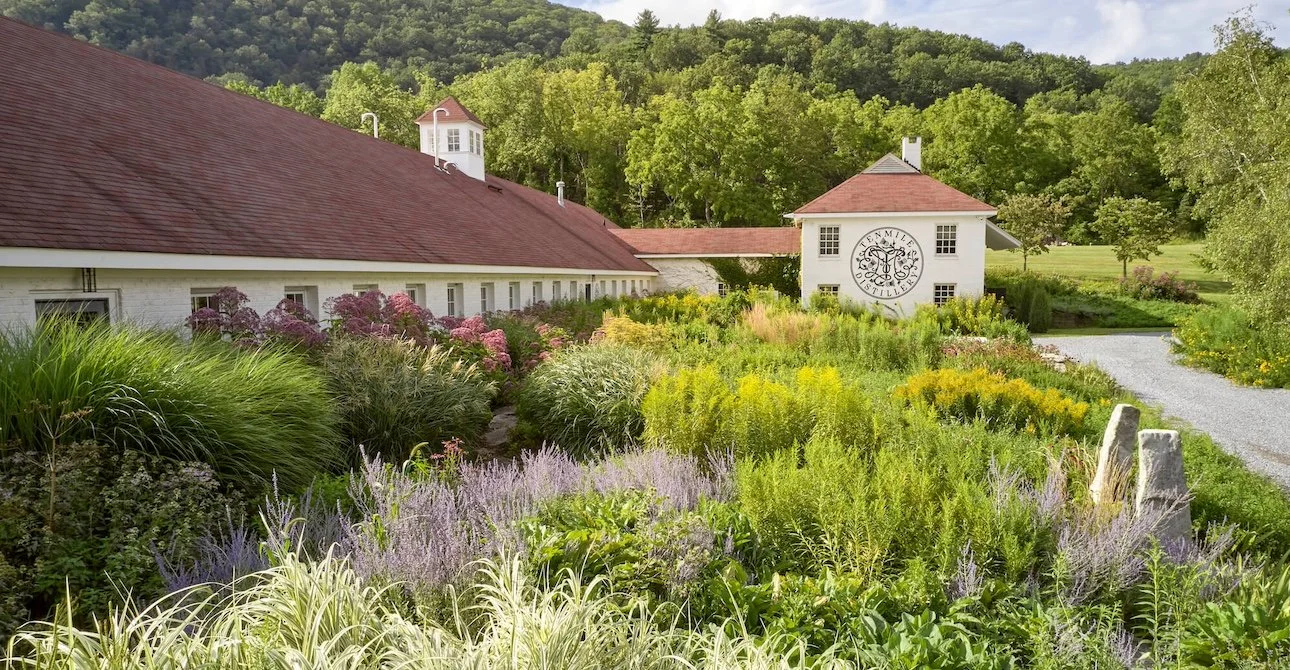
The gardens outside the Tenmile Distillery entrance
Once again, my mind is telling me to explain why Tenmile’s single malt whiskies are so well made, laying out the distillation practices, highlighting Shane Frasier’s experience at Wolfburn and Glenfarclas, touting the quality cooperage being used from Jerez and Kentucky, but again that’s another article for another time. The Little Rest single malt whiskies are awesome—like, really good—but that’s not the point here. I’m trying to explain what makes me want to spend $70-$90 for these whiskies when I could spend $50 on a 12 year old alternative from Scotland instead. Which brings me back to beauty and curation.
Every single person I know in the wine and spirits industry prides themself on understanding regionality, not just production. Regionality extends beyond the rules and regulations around how specific products are made and into the food and lifestyle practices of these areas. You might hear a whiskey nerd on social media harping about the quality of the liquid being the only north star for true aficionados, but that’s bullshit. Whether it’s a Mint Julep at the Old Seelbach in Louisville, or a pint and dram at the Bon Accord in Glasgow, most modern whiskey enthusiasts want to be a part of the entire scene. They’re not as rigidly concerned with liquid specifics as their online counterparts might suggest. We don’t drink in a vacuum. Our decisions and desires are consistently influenced by outside stimuli—the opinions of others, advertising, imagery, etc.
I came into the trip with enthusiasm for the whiskey, but the few days I spent in the region connected me to the romantic component that I was missing. Tenmile whiskey is what you want to drink when you travel to upstate New York, just like a Negroni in Torino or a glass of Champagne in Paris. It’s an association between a culinary tradition and a beautiful part of the planet worth seeking out.
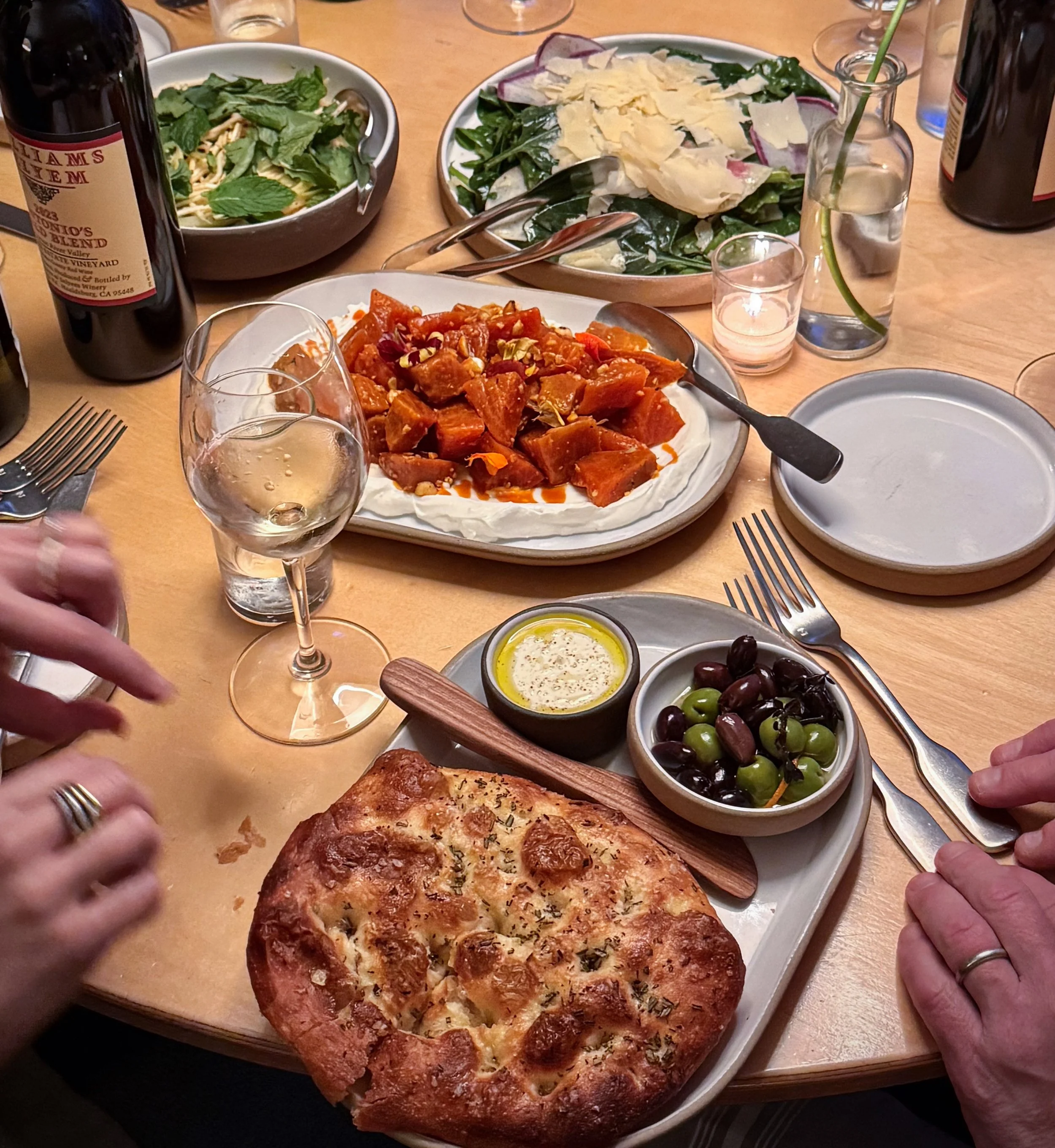
Dinner with local fare at the Troutbeck restaurant
Yet, whereas other brands, like Hampton Water for example, seek to artificially force these regional connotations upon the consumer, Tenmile is patiently waiting for consumers to discover its enticing sensibility. Once they do, the draw of its whiskies won’t emanate from a number on the bottle. I’ve personally visited over three dozen craft distilleries across America that exist in industrial spaces unfit for public visitation. The reason many of those distilleries are struggling stems from their limited ability to inspire beyond the liquid itself. They have nothing to offer outside the label and the bottle, as they can’t host visitors, share their aesthetic, or create an experience that consumers will remember.
To create a brand, in the true sense of the word, is to inspire a sense of shared identity in the minds of consumers, no different than a local sports team. To drink a certain wine or whiskey is to share in that ideal, regardless of whether you do it once or continuously (there are plenty of tourists buying Cubs hats and jackets on their first trip to Wrigley, cosplaying as super fans, and I was pretty much doing the same thing at Tenmile). More importantly, young people today aren’t driven by the same value propositions as the generation before them. They’re mostly looking for something authentic that speaks to them and they’re willing to pay extra for what they like. Hospitality goes a long way these days. If you’re a brand that can host, as well as produce, you have a huge advantage moving into the future.
Tenmile’s value proposition is so strong on that front—so incredibly romantic and genuine—that age statements are the least of its worries at this point. Given that the train stops right across the street, and visitors can easily travel from Manhattan to Wassaic for a beautiful day of country drinking, the real issue is what to do about foot traffic when the word finally gets out. Ever since I returned from my recent visit, I’ve found myself wandering over to the whiskey shelf on many an evening. When I look at that bottle of Tenmile Little Rest, I remember the hills, the creeks, the food, the decor, and the drive from JFK into the Hudson Valley.
It’s no wonder my current bottle is almost empty.
-David Driscoll