
The Neo-Hippie Lifestyle
A big part of the original hippie movement of the 1960s focused on environmentialism, holistic health, and anti-materalism. Because of those specific values, a number of 60’s-era hippies moved out into the country, learned how to make wine, planted their own vineyards, and turned those grapes into liquid gold. Their commitment to organics and biodynamic farming, along with minimal interventionist practices, resulted in some of the best wines the world had ever tasted. When you think of the most iconic wines from Sonoma and Santa Cruz, the odds are pretty high those wines were originally made by ex-hippies.
Today’s neo-hippie movement seeks to build on the foundation from the boomer era, moving into an even more extreme, hands-off approach to winemaking that some are calling “natural.” While these winemakers have committed themselves to the environmental and holistic side of the trade, they’re definitely not afraid of making a little money, while riding the social media wave to greater fame and fortune. It sort of reminds me of an old friend I knew from high school. She went to UC Berkeley and jumped on the hippie bandwagon, but most of it was performative. Behind the scenes, she was getting cosmetic surgery and spending a fortune on her appearances, while publicly claiming it was all just natural ointments and diet.
Most popular trends are eventually co-opted into capitalism and marketed as a lifestyle brand, and the hippie movement is no different. The neo-hippie movement as it pertains to wine is a perfect example of what happens when the process becomes more important than the product. There is so much money to made by selling the idea of being “natural” or “organic” that at this point we’re entering an Emperor-wears-no-clothes type of scenario where no one wants to be the one to spoil the party. As a friend of mine in the industry said to me last week: “There are just so many insanely rich people in the world now, and they are willing to pay these prices.”
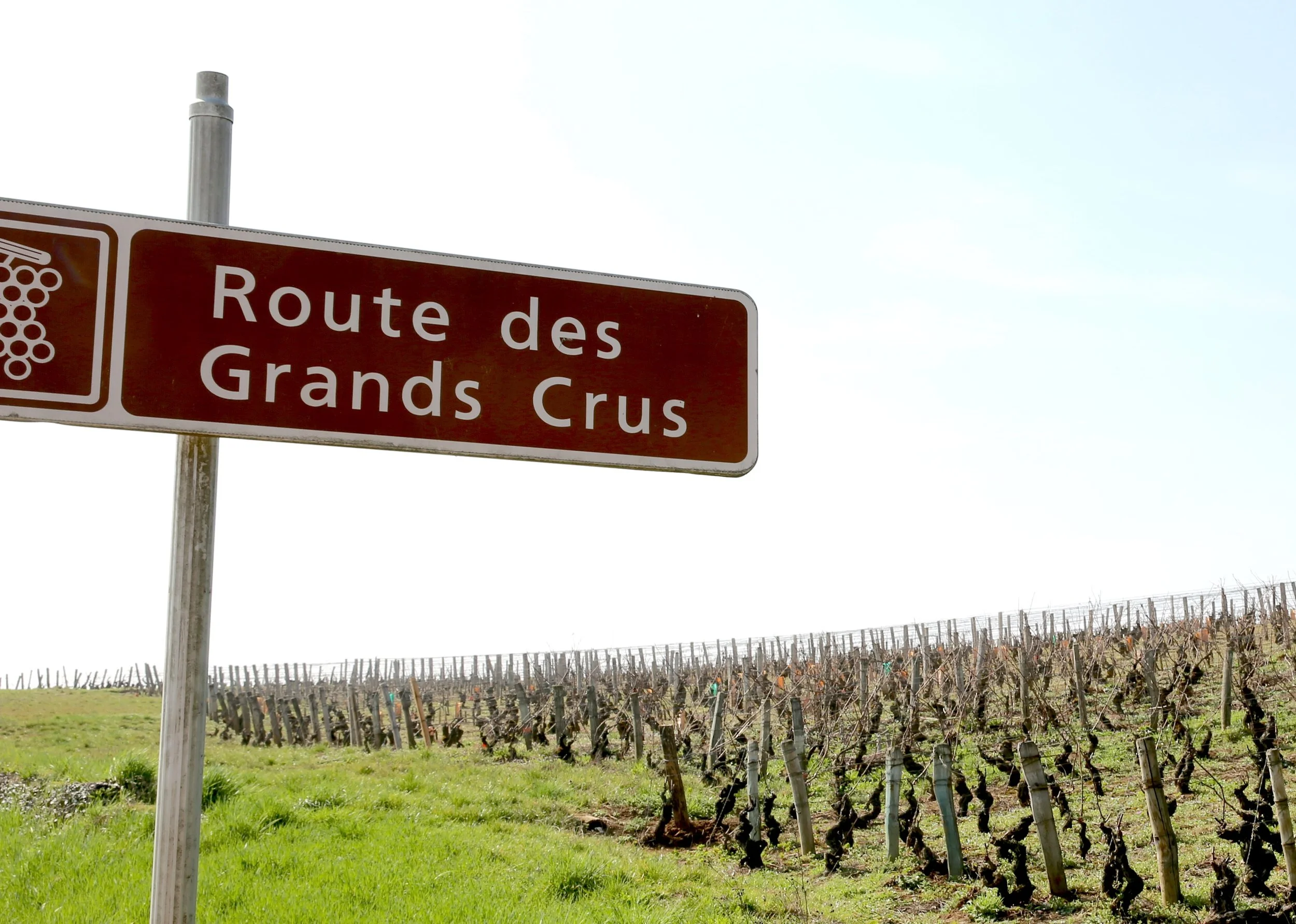
The epicenter of the natural wine movement is Burgundy, where a wave of exciting new winemakers has created a buzz around non-interventionist wines made from some pretty incredible vineyard sites. The modern label designs, hipster aesthetics, and cool kid vibes make the movement pretty attractive, to boot. I have to admit: there are dozens of wines I’d love to try from these producers based solely on what I’ve read about online. The reason I haven’t is simple: the price of entry is simply too expensive.
Without naming names, I read about a new producer in Burgundy this past week, farming a few hectares of vineyards in a renowned commune and creating a lot of buzz with the domaine’s first vintage. I loved the story and the ethos, so I began to look around for a bottle near me. The cheapest expression I could find was $400. And that was the MSRP. For the inaugural vintage.
When you see the prices for many of these cult-like bottles, you quickly realize that these wines were never made for the general public. They’re being marketed to an elite class of customer who is more than willing to pay for the label, no different than a designer handbag with a famous brand plastered all over it. At the same time, they’re preaching a faux humility about going back to basics and making things that last. Yet, as another winemaker friend of mine said to me on this subject: “Burgundy simply does not taste like it used to. And it’s not gonna age like it used to.”
I’m still trying to wrap my head around the subject and not sound like a grumpy old man, but this has been my experience with many of today’s modern Burgundy labels. I really want to like them. I really do. But I’m getting more and more turned off by the paradox. It’s as if some of these producers think the process is more important than the product.
-David Driscoll