
What the Tinned Fish Trend is Telling Us About the American Palate
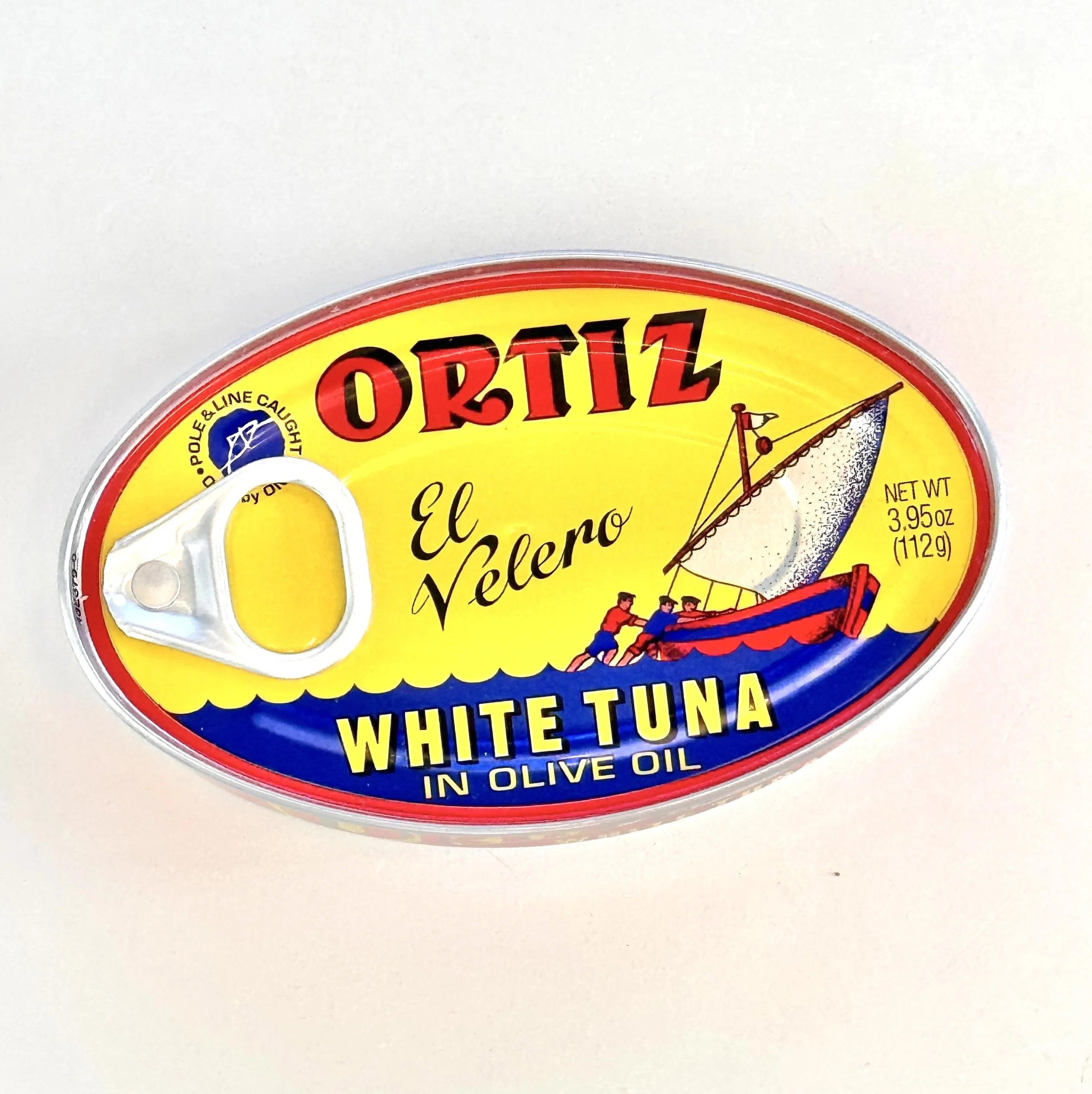
When I was a kid, tuna fish was served one way and one way only: with gobs of mayonnaise, relish, and maybe even some chopped celery. Then you would put it between two slices of bread, add more mayonnaise to that, and you had yourself a tuna sandwich.
In the early 2000s, I found healthier ways to enjoy tuna that were preferable to my palate. With lemon juice or olive oil, in pasta, in salads, but hardly ever with mayonnaise. Twenty years later, I eat tuna about 3-4 times a week and it’s a pretty simple process: I open the can and I eat it with a fork.
Like millions of other Americans, I eventually learned the difference between shitty chunk light in water and the high-quality tunas from Spain and Portugal, packed in olive oil, ready to serve as is. The same phenomenon has been happening with wine and spirits for the last decade and it has culminated in the sub-movements you see today on both sides of the industry. Consumer education as it pertains to quality has become widespread and expectations have therefore shifted.
I watched a YouTube video yesterday about Burgundy where one of the winemakers said: “Ten years ago, we used to age all of our Chardonnay in new oak because that’s how people preferred it. Today, thanks to more education in the market, we no longer have to do that—thank God.”
Basically, winemakers and distillers have been adding mayonnaise to their products for the last 40-50 years because they knew that’s the only way people would drink them. Today, they no longer have to and the guardrails are falling off all around us. People are demanding sugar-free rum, additive free Tequila, natural wine, unpasteurized dairy, farm-fresh eggs and veggies, and—yes—they’re eating tuna, sardines, anchovies, and mussels straight out of the can.
This new open-minded, educated palate is a godsend for serious wine and spirits producers who have been waiting patiently for this moment to arrive. Off colors, funky aromas, and unfiltered bits of flavor floating in a bottle no longer intimidate a large swath of consumers. Todd Leopold told me the other day: “I don’t have to explain to anyone why there are particles floating in our latest batch of vinegar; they already know why and they’re happy about it!”
Not only that, consumers are embracing lower alcohol levels and more mild, nuanced flavors. It’s a natural counter-reaction to the big peat, big alcohol, big hops, big sherry, big oak movements we’ve seen in beer, wine, and spirits over the last decade. Basically, we’re learning how to eat tuna without mayonnaise, appreciating its inherent flavor without the need for all the other stuff. Similar to how more Americans today are choosing sashimi over a spicy tuna handroll, we’re learning how to be happy with subtlety.
Last weekend, I drove up to the Bay Area to join a whiskey-tasting with a group of customers that I used to meet with. I rolled in with a bottle of 2020 BTAC Weller because I knew I was never going to drink it on my own, but the group didn’t even bat an eyelid. Instead, they were freaking out about an 11 year old Royal Brackla single malt whisky that was incredibly fruity—almost like white wine—with minimal-to-no oak influence whatsoever. They were geeking out about the malt itself, not the wood.
That’s where we are in 2026 and it’s glorious.
-David Driscoll