
When Everything Changes
The overwhelming majority of my career in the wine and spirits industry has been associated with distilled spirits, despite the fact I have always been more interested in wine. The reason is simple.
Back in 2009, the spirits buyer for K&L Wine Merchants decided to move on and no one at the company seemed to really care. In fact, so few people wanted the job that they decided to split it between two young kids who most certainly couldn’t do any worse. Within a few years, those two whippersnappers (David Othenin-Girard and myself) were traveling the world and riding the spirits renaissance to new heights. As much as I loved drinking wine, there was more career momentum behind whiskey and cocktails, so I rode that wave. It was an amazing experience and I would never trade it for anything.
The end of my tenure at K&L was a fleeting grasp to rediscover the passion that had led me to its doors in the first place. I started working directly with the Burgundy team to breath new life into that department. I learned French, traveled to Dijon, Bordeaux, and the Loire to help negotiate new deals for the company. I even took over the wine club management for a hot minute because I was so desperate to move away from the burgeoning Bourbon movement and all its drudgery.
Despite my desire to dive back into wine, getting Two-Nineteen off the ground required me to do what I did best: sell a fuck ton of whiskey. So I did. But I did so always knowing that when the moment struck and the opportunity was nigh, I would pivot back over to wine. Little did I know, however, that a casual conversation with my old colleague and long-time friend Jeff Garneau would completely change the way I went about it. An hours-long phone dialogue, followed by days of solo research on my end, opened up an entirely new passion project that has me more excited about alcohol than I’ve been in years.
The low-intervention wine movement is a scene, and thus it has its share of scenesters. That being said, it’s also a philosophical circle of like-minded revolutionaries who are tired of things like commercial farming, Parker points, pay-to-play award shows, undeserved exaltation, stale marketing, rigid appreciation, and dogmatic adherence to tradition. As someone approaching his 20th year in the business, let me be perfectly honest: I am also very tired of all those things.
If you’ve ready any of my recent blog posts or Instagram diatribes, then you know that I’ve developed quite the taste for a young German winery called Wasenhaus, located in Baden along the French border with Alsace. While browsing through their social media posts today, I noticed this video discussing the price sensibilities in Germany towards high-quality products like wine, cheese, meat, or vegetables. The narrator basically says (for those who don’t speak German) that these products are expensive because of the effort it takes produce them, and are perhaps a better investment for quality living than a flashy new sports car.
Shortly after I scrolled past the above video, I saw a post on the Wine Enthusiast IG about the growing interest in Piedmontese grape varietal Timarosso, and I was curious as to what the comments said. I almost laughed out loud when I read the first snarky response: “Still talking about grapes instead of terroir 😂,” which was responded to immediately by another user who wrote: “Or winemaking, for that matter.” I was both heartened and emboldened by the pushback on longstanding wine media stalwarts who continue to ignore the growing consumer sentiment about how wines and spirits are actually made. We know there are a lot of indigenous grapes out there. We get it. Tell us why we should actually care, though.
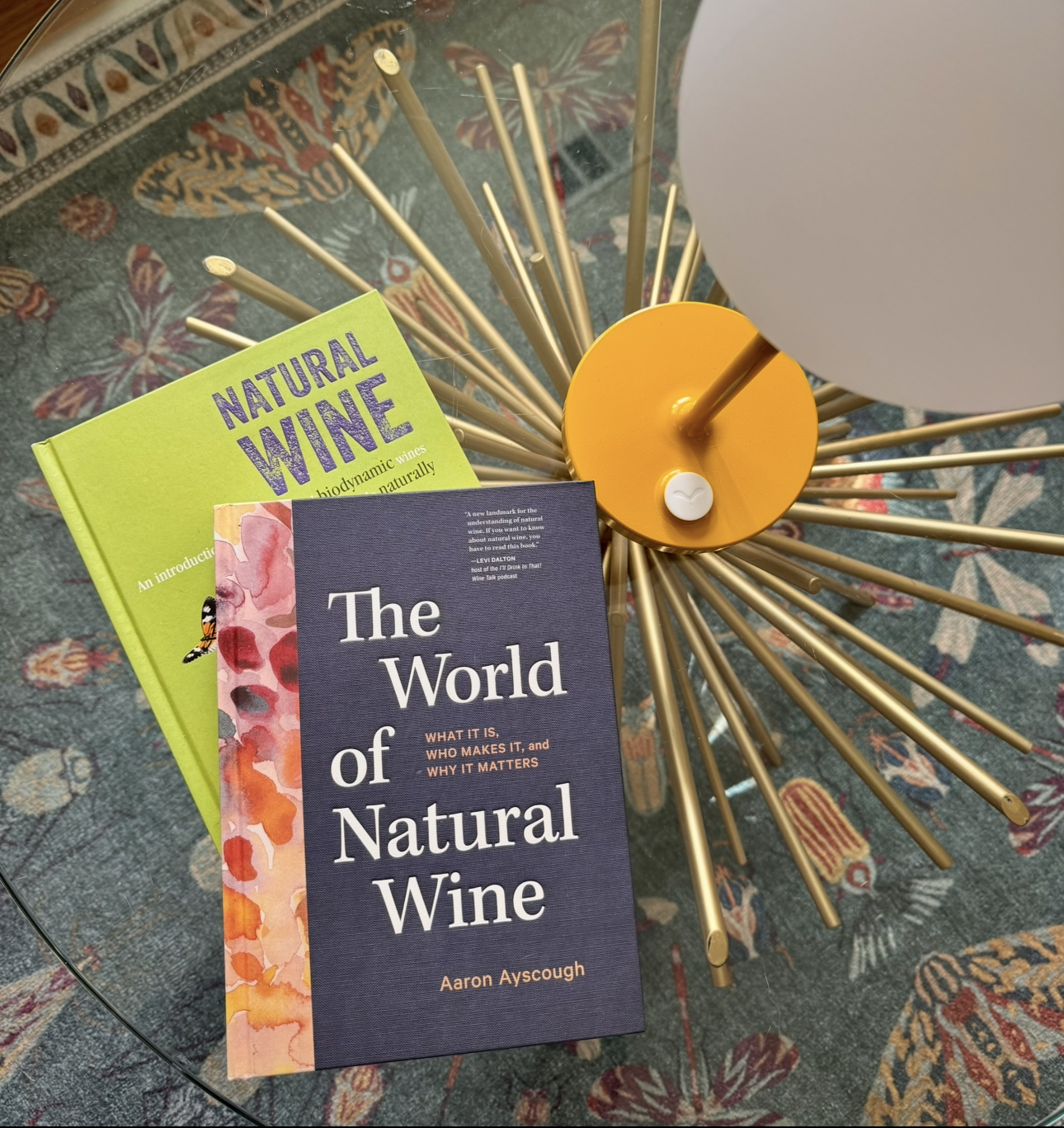
The reason I’ve become fascinated with the low-intervention/natural wine scene is because it’s a large group of wine drinkers that, while diverse and complex in their desires, are all agreed on one key issue: wine should be treated the same way as high-quality cheese, meat, or vegetables. The grapes should be untainted by chemicals, grown by experts, harvested by hand, fermented without the addition of chemicals and designer yeasts, and bottled with minimal preservatives, it any at all. Whereas the whiskey nerds just wanted their Bourbon without any additional water, the wine nerds have much higher standards and—if the current cabal of winemakers won’t meet them—are willing to burn down the cathedral and create an entirely new pantheon of gods to replace them.
Despite the fact that I’m not drinking that much Bourbon these days, I still know all the key players. I know what the hot labels are, I know who makes them, and I’m likely on a first name basis with the guy who owns the brand. That’s absolutely not the case for the low-intervention wine world. Since I’ve taken my eye off the ball, this side of the industry has absolutely exploded with new blood, so much so that I have no idea who many of them are.
And we’re not talking about a handful of producers here. I’ve seen at least 300-400 labels over the past week where I’m completely in the dark. No idea who they are. No idea where they’re from. I’m both terrified and exhilarated. I’ve spent a small fortune getting up to speed, however, and I’m having the time of my life. The wines are good. The labels are creative. The energy is palpable, both in the liveliness of what I’m seeing on the streets and in the vibrance of the wines themselves. In short, the wine and spirits industry hasn’t felt this fun to me in a long, long time.
So I plan on writing quite a bit about this moving forward.
-David Driscoll