
The Unavoidable Low Alcohol Movement
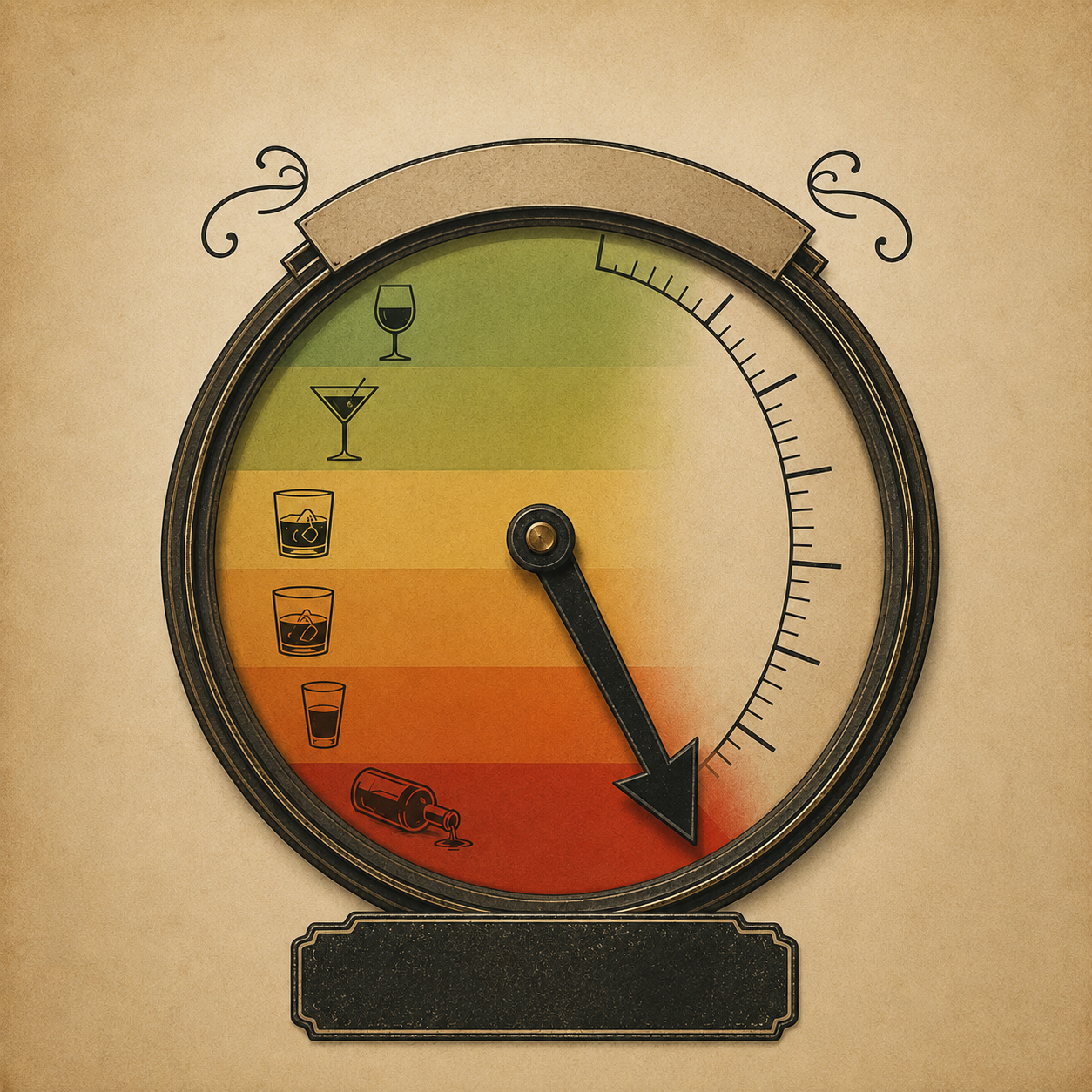
A few weeks ago, I got some unfortunate news from my doctor. My recent bloodwork now included a test for lipoprotein and, to my chagrin, I had inherited high cholesterol that needed to be immediately addressed. Unlike LDL, high lipoprotein levels cannot be managed by medication, diet, or exercise. The only way to counteract a high lipoprotein score is to overcompensate with your standard LDL levels (which, sadly for me, were also high). That meant starting a statin immediately, cutting way back on my alcohol, and adjusting my diet ASAP. I had to be twice as good as the normal guy.
As someone who drinks pretty much every day, and who often makes the enjoyment of food and alcohol the centerpiece of any social agenda, you can imagine my reaction. That being said, as someone who had to lose weight, quit smoking, and completely restructure his life at the age of 21, I wasn’t unprepared for what came next. In fact, I welcomed it.
In the last few weeks I’ve shed pounds, improved my work flow, increased my daily steps, and slept like a fucking baby. No interruptions, just full rest. I’ve also continued to drink alcohol every step of the way, albeit far less of it. I’ve been opening bottles of wine and separating them into 250ml portions that I recork and allow myself to enjoy with dinner each evening. Once I get my cholesterol levels under control, I’ll re-evaluate my options, but for now this is where life has taken me.
The point of today’s blog isn’t to advocate for sobriety or clean living, but rather to state the obvious: at some point, you can’t eat or drink as much as you used to. For me, the warning signs were flashing for the last year, but I continued to push through them and enjoy myself. I don’t regret it one bit. I also don’t pity myself or lament the fact that I need to become more mindful in my enjoyment of alcohol. I’m pretty good at taking life in stride in my older age.
However, what I’ve also realized over the last two weeks is that the new and improved version of me is more inline with today’s wine and spirits market than the old me was. The new generations don’t view the three martini lunch with the same reverence that my generation did. They don’t admire gluttony or excess whatsoever. What they do aspire to is simple: connection and authenticity. They achieve both by being more in tune with their bodies and remaining highly selective with how, when, where, and what they drink.
Because I have no choice but to drink less at the moment, you can sure as hell bet I’m being highly selective as well. Being forced to limit myself to just 1-2 drinks per day (and not necessarily every day) has me thinking about every drop that I ingest, which puts me in tune philosophically with today’s younger generations. If I’m limiting the amount of alcohol I’m drinking, how do I continue the party and lengthen the enjoyment as much as possible?
This is where N/A beers, low ABV aperitivos, non-alc substitutes, and the practice known as “zebra striping” (alternating between alcohol and N/A with each drink) comes in tremendously handy. It’s difficult to understand why certain products are becoming popular if you don’t understand why they exist, who they’re intended for, and the motivations of those choosing to purchase them. Over the past two weeks, I’ve been retraining my brain (not by choice, but I’ll take the credit all the same) to look at alcohol completely differently than I have over the last decade-plus and retool the way I look at marketing as a result.
When you have no choice but to be intentional with your allotment of booze, it makes understanding intentionality that much easier. Part of the reason the Gen Xers and Boomers don’t understand the Gen Zers and their movement away from alcohol as a social lubricant is because we don’t understand the social conditions that led them to this point. I have plenty of friends in the industry who mock the low-alc movement as boring and unnecessary, but you can’t understand something you’re unwilling to acknowledge.
Ultimately, there will come a time in all of our lives where health or circumstance will force us to make difficult decisions. At that point, we are all forced to comprehend why others have been making similar decisions all along.
-David Driscoll